
Understanding the psychology behind gambling why we take risks in casinos
Gambling has an intrinsic allure that taps into the human desire for risk and reward. The thrill of taking a chance at winning big can be exhilarating. Psychologically, this sensation is reinforced by the release of dopamine, a neurotransmitter linked to pleasure and reward. Each spin of the slot machine or roll of the dice triggers anticipation, creating a mental state where risk-taking feels justified by the potential payoff. This experience can be further explored at https://casoolaaffiliate.com/.
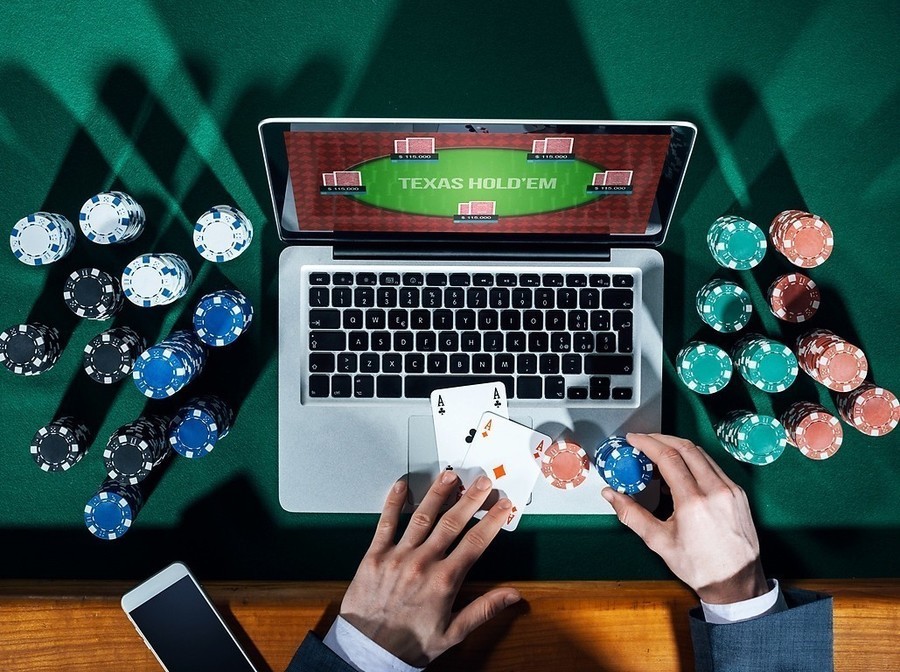
Moreover, the concept of “loss aversion” plays a critical role in gambling behavior. This psychological phenomenon suggests that people are more motivated to avoid losses than to achieve gains. In a casino, the prospect of losing money can provoke a heightened desire to win it back, leading players to take greater risks. This compulsion can create a cycle of chasing losses, where each loss fuels the urge to gamble more, often with dire consequences.
The environment of a casino itself amplifies this psychological phenomenon. Bright lights, sounds, and the thrill of winning create a sensory experience that fosters a sense of euphoria. This immersive atmosphere can lead individuals to lose track of their limits, further entrenching them in the cycle of risk-taking. The excitement associated with gambling is not solely about money; it also encompasses the social interactions and shared experiences that often accompany these activities.
Cognitive biases significantly influence gambling behavior, often leading individuals to make irrational decisions. One common bias is the “gambler’s fallacy,” where players believe that past outcomes can influence future results. For instance, a player might think a slot machine is ‘due’ for a payout after a series of losses, which can lead to persistent betting despite the inherent randomness of the games.
Another relevant cognitive bias is the “illusion of control,” where individuals believe they can influence the outcome of a game through their skills or decisions. This perception is particularly prevalent in games like poker, where strategy plays a role. However, even in games of pure chance, such as roulette, players often feel a sense of control that may lead them to take excessive risks, believing they can outsmart the game.
These biases reinforce the cycle of gambling as players justify their decisions with flawed reasoning. This can manifest in high-stakes betting or refusing to walk away after losing significant amounts of money. Understanding these cognitive biases is crucial in addressing problem gambling, as awareness can help individuals recognize their thought patterns and make more rational decisions regarding their gambling activities.
Social factors heavily influence gambling behavior. The presence of friends or family can enhance the excitement of gambling, creating an atmosphere where taking risks feels acceptable or even encouraged. This social dynamic can lead to peer pressure, where individuals may gamble more than they normally would to fit in or impress others. In group settings, the excitement can be contagious, leading to impulsive decisions that one might not consider in isolation.
Moreover, cultural attitudes toward gambling play a significant role in shaping individual behaviors. In societies where gambling is normalized or glamorized, people are more likely to engage in these activities without the perception of risk. Conversely, in cultures where gambling is frowned upon, individuals may approach it with more caution. This cultural context can shape how people perceive wins and losses, influencing their overall gambling psychology.
Online platforms have also changed the social landscape of gambling. Virtual communities and social media provide a space for players to share experiences, strategies, and successes, creating a sense of belonging. However, this can lead to an increase in gambling behavior as individuals seek validation from peers. The blend of social interactions and online gambling creates a unique environment where the lines between responsible play and excessive risk-taking can become blurred.
Understanding the psychology behind gambling is essential in recognizing the potential consequences associated with risk-taking behavior. Financial losses are the most obvious outcome, leading individuals to face debt or even bankruptcy. The pursuit of recovering lost money can trap players in a cycle of gambling that is hard to escape. This financial strain can also ripple outwards, impacting relationships and overall well-being.
Moreover, the emotional toll of gambling cannot be underestimated. Many players experience feelings of guilt, shame, or anxiety related to their gambling habits. These emotions can lead to isolation as individuals withdraw from loved ones, exacerbating their mental health issues. Over time, the impact of gambling can lead to more severe conditions, including depression or substance abuse, as individuals turn to unhealthy coping mechanisms.
Recognizing these consequences is crucial for fostering a culture of responsible gambling. Awareness campaigns and resources are essential in educating individuals about the risks associated with gambling. By promoting open conversations and encouraging self-reflection, players can better understand their behavior and its implications, enabling them to make informed decisions about their gambling activities.
Casoola Casino exemplifies a modern approach to online gambling, focusing on creating a safe and enjoyable environment for players. With a diverse selection of over 10,000 games, including slots, live tables, and sports betting, it caters to various tastes while prioritizing player safety. The platform promotes responsible gaming practices, ensuring players can enjoy their experience without falling into harmful patterns.
Launched in 2026, Casoola Casino offers exciting promotions, including a generous welcome bonus for new players, which provides an enticing start to their gaming journey. By offering support through various payment methods, including cryptocurrencies, and providing 24/7 customer service, Casoola Casino ensures that players have access to resources when needed, fostering a supportive community for responsible gaming.
Ultimately, Casoola Casino’s commitment to player safety and responsible gambling creates a balanced platform for entertainment. By understanding the psychology behind gambling and encouraging informed decisions, players can engage in the thrilling world of gaming while minimizing risks and fostering a healthier relationship with gambling.