Understanding gambling basics A beginner's guide to starting out
Gambling is the act of wagering money or something of value on an event with an uncertain outcome, primarily for the purpose of winning additional money or material goods. It encompasses a wide range of activities, from betting on sports and playing card games to participating in lotteries and slot machines. For beginners, understanding the types of gambling available is crucial in order to make informed choices and enjoy the experience responsibly. Many people seek out the best real online pokies australia when exploring their options in the gaming world.
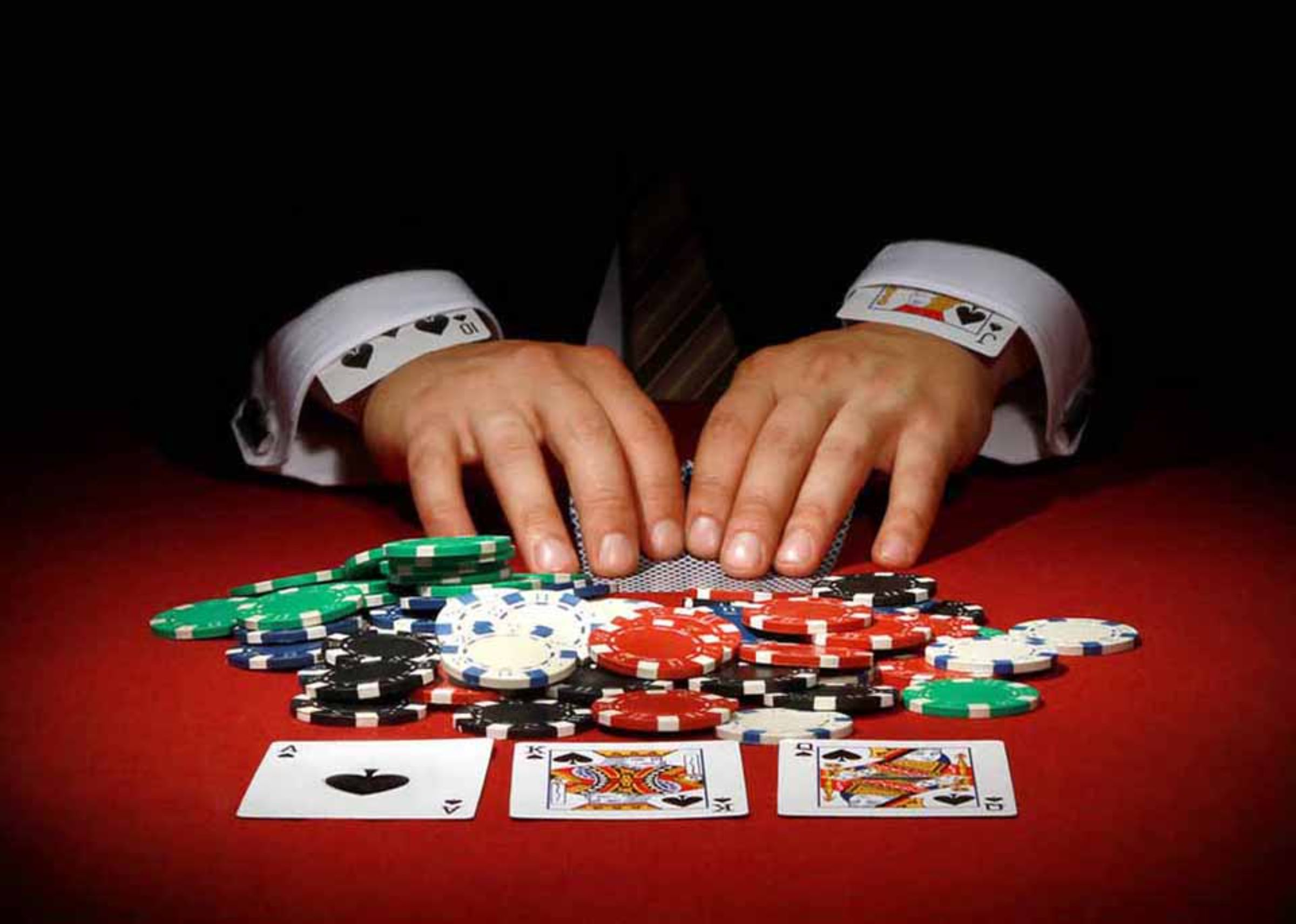
The fundamental concept of gambling revolves around risk and reward. Players bet on various outcomes, hoping for favorable results while accepting the inherent risks. This blend of chance and strategy makes gambling appealing to many, though it’s essential to approach it with caution and awareness.
The psychology of gambling is complex and multifaceted. Many individuals are drawn to the excitement and thrill of potentially winning big, while others might gamble to escape from reality or cope with stress. Understanding these motivations can help beginners approach gambling with a healthy mindset.
Cognitive biases also play a significant role in gambling behavior. For instance, the illusion of control leads players to believe they can influence outcomes in games of chance, such as slots or roulette. Recognizing these psychological triggers can empower individuals to gamble more responsibly and avoid the pitfalls of addiction.
One of the most vital aspects of gambling for beginners is setting a budget. It’s essential to determine how much money you are willing to spend before starting, and stick to that limit. This not only prevents financial stress but also enhances the overall enjoyment of the experience. Gambling should be seen as a form of entertainment, and budgeting can help maintain that perspective.
Managing your bankroll effectively involves tracking wins and losses and adjusting your strategy accordingly. Many successful gamblers keep records of their activities to analyze patterns and outcomes. By understanding your spending habits and outcomes, you can make more informed decisions in the future, minimizing the risks associated with gambling.
For beginners, selecting the right games is essential. Different games have varying rules, odds, and house edges, which can significantly impact your chances of winning. Popular options include poker, blackjack, and slots, each offering unique experiences and strategies. Exploring these games can help you find what suits you best and enhance your gambling journey.
Moreover, many casinos provide opportunities to practice games for free before wagering real money. This allows newcomers to familiarize themselves with the rules and strategies without financial risk, making it a valuable step in your gambling education.
Responsible gambling is a crucial aspect of the gambling experience. Beginners should be aware of resources and tools available to promote safe practices. Many casinos and gambling platforms offer self-exclusion options, allowing players to take breaks if they feel overwhelmed. Additionally, educational materials about the risks of gambling can help individuals make informed choices.
By prioritizing responsible gambling, you can ensure a positive experience while minimizing potential negative consequences. Embracing resources designed for safer gambling not only protects you but also promotes a healthier gambling environment for everyone.