
The evolution of casinos Tracing their history through time
The history of casinos can be traced back to ancient civilizations where gambling was not just a pastime but intertwined with cultural practices. Archaeological evidence suggests that as far back as 3000 BC, people engaged in games of chance using dice made from animal bones. These early games laid the groundwork for the development of more structured forms of gambling, with civilizations such as the Chinese and Greeks incorporating gambling into their social fabric. The Romans also had a significant influence, with their love for games of chance, leading to the establishment of betting houses that can be likened to modern casinos. You can explore more about this topic at https://sadgirlreview.com/.

The term “casino” itself originates from Italy, meaning “little house,” and was initially used to describe venues for various recreational activities, including gambling. By the 17th century, these establishments began to flourish, particularly in Venice, which opened the first official casino known as the Ridotto in 1638. This venue was designed to provide a regulated environment for gambling, ensuring players had a safe and enjoyable experience. The concept of a regulated gambling space became a precursor to the contemporary casino model.
As gambling spread across Europe, each region adapted the concept to fit local customs and laws. Countries like France and England saw the emergence of gaming houses that attracted the aristocracy, while the establishment of lotteries in the 16th century offered a different form of gambling. With time, these varied forms of gaming converged into the more recognized structure of casinos we see today, setting the stage for their evolution over the centuries.
The 19th century marked a significant turning point in the evolution of casinos, particularly with the establishment of Monte Carlo’s casino in 1863. This venue not only popularized gambling among the wealthy elite but also set a standard for luxury and entertainment. Monte Carlo became synonymous with high stakes and glamour, attracting visitors from around the world, and igniting a casino craze across Europe and America. The allure of opulent settings and lavish performances made casinos a prime destination for leisure and entertainment.
In the United States, the Gold Rush in the mid-19th century propelled the growth of gambling houses in emerging towns. The creation of Nevada as a state in 1864 led to the legalization of gambling, culminating in the establishment of Las Vegas as the gaming capital of the world by the mid-20th century. The opening of the first casino in Las Vegas, the El Rancho, in 1941 marked the beginning of a new era, paving the way for the resort-style casinos that would dominate the landscape in subsequent decades.
With the introduction of games like roulette, poker, and slots, casinos began to diversify their offerings. The rise of riverboat casinos in the Midwest and the expansion of Las Vegas attracted a wider demographic, making gambling more accessible. This shift not only revolutionized the gambling industry but also stimulated economic growth in many regions, demonstrating the profound impact of casinos on local economies and tourism.
The late 20th century witnessed an unprecedented technological revolution that fundamentally altered the casino landscape. The advent of the internet in the 1990s opened new avenues for gambling, leading to the emergence of online casinos. These platforms provided players with the convenience of accessing their favorite games from the comfort of their homes, significantly broadening the audience for gambling. With the ability to play a wide range of games and participate in live dealer experiences, online casinos quickly gained popularity.
The introduction of mobile technology further propelled the growth of online gambling. By the early 2000s, mobile apps allowed players to engage in gambling activities on the go, making it even more accessible. This shift represented a major change in consumer behavior, as more people began to embrace digital platforms for entertainment. Casinos were compelled to adapt, offering mobile-optimized websites and applications to attract and retain players.
Additionally, advancements in technology have introduced innovative gaming experiences, such as virtual reality casinos. These immersive environments create a more interactive gambling experience, simulating the ambiance of a traditional casino. As technology continues to evolve, the casino industry is likely to undergo further transformations, ensuring that it remains relevant in a rapidly changing digital landscape.
The globalization of the casino industry has made gambling a worldwide phenomenon, with various countries embracing its economic potential. Nations such as Macau and Singapore have developed their gaming sectors into major tourist attractions, rivaling Las Vegas. This rapid expansion brings about opportunities for economic growth, but it also presents significant regulatory challenges. Governments must balance the benefits of increased tourism revenue with the potential social issues related to gambling addiction and crime.
Regulation has become a critical aspect of the casino industry, particularly in jurisdictions looking to expand their gambling offerings. Countries have developed frameworks to ensure responsible gambling practices and protect consumers. For instance, many jurisdictions require casinos to implement measures to promote responsible gambling, such as self-exclusion programs and awareness campaigns. These initiatives are vital in maintaining a healthy gambling environment and mitigating potential negative effects.
Moreover, the emergence of cryptocurrencies and blockchain technology is poised to revolutionize the way casinos operate. These innovations can enhance transparency and security in transactions, appealing to tech-savvy gamblers while also posing new regulatory dilemmas. As the casino landscape continues to evolve globally, stakeholders must work collaboratively to address these challenges and ensure a sustainable future for the industry.
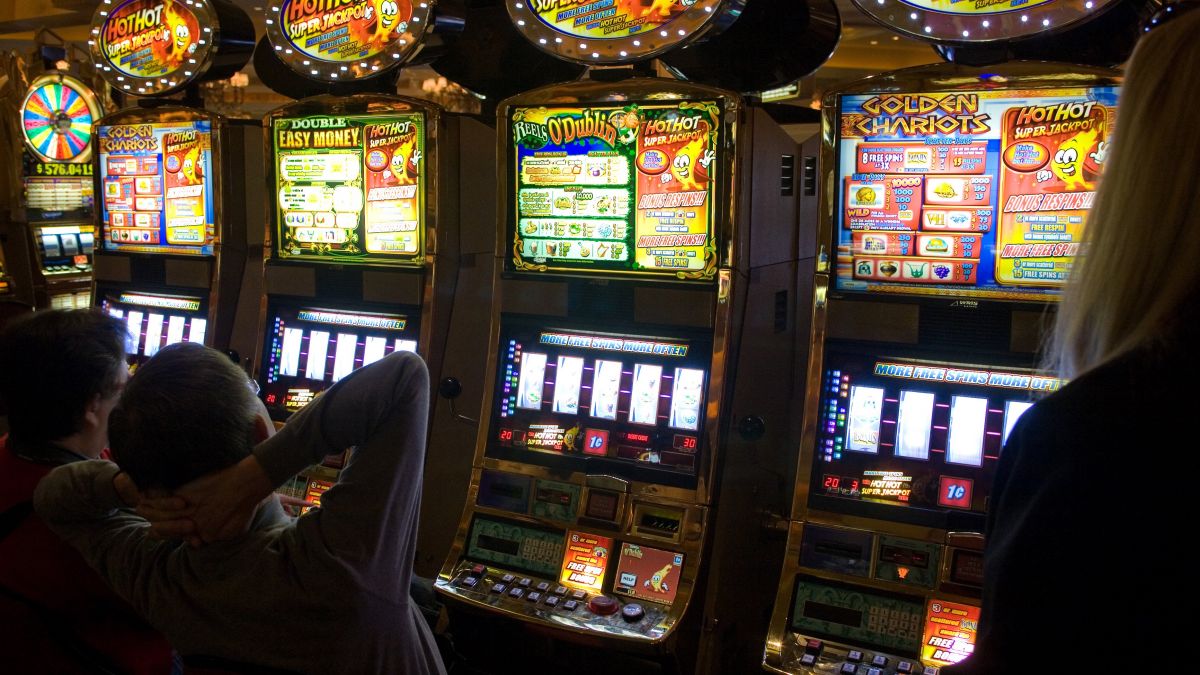
At our website, we strive to provide an extensive array of resources and insights for individuals interested in the world of gambling. Whether you are a novice looking to understand the basics or an experienced player seeking advanced strategies, our platform is designed to cater to your needs. With carefully curated content on topics ranging from the history of casinos to financial management tips, we aim to empower you with knowledge.
Our commitment to fostering a community of like-minded individuals means you can connect with fellow enthusiasts, share experiences, and learn from one another. We understand the importance of informed decision-making when it comes to gambling, and we provide tools and support to help you achieve your goals responsibly. Our website is more than just an information hub; it’s a place to engage and grow within the gambling community.
Join us as we explore the fascinating world of casinos and gambling, diving into the intricate details that have shaped this industry over time. Your journey towards knowledge, skill, and responsible gambling starts here, as we provide you with all the resources you need to navigate the exciting landscape of casinos.