Exploring the cultural significance of gambling in modern society
Gambling has existed in various forms for thousands of years, rooted in ancient civilizations such as the Chinese, Greeks, and Romans. These early societies engaged in betting as a form of entertainment and social interaction, often intertwined with religious rituals and community gatherings. Over time, gambling evolved, reflecting cultural values and societal norms. For instance, while the Romans used dice games to foster camaraderie, the Chinese developed more structured games like Pai Gow, highlighting the strategic aspect of betting. Today, as we explore the world of gaming, we can find excellent options like payid casinos australia to enhance our experience.
As societies progressed into the Middle Ages and Renaissance, gambling became both a vice and a luxury, with the establishment of games like cards and betting on sports. The shift in gambling’s perception from a mere pastime to a commercial enterprise marked a significant cultural transformation. The rise of casinos in Europe, particularly in Italy, laid the groundwork for modern gambling establishments, turning betting into an organized industry and a key component of social life.
In the 20th century, gambling underwent another evolution with the advent of Las Vegas and the regulation of casinos. This marked a pivotal moment, as gambling began to be viewed as a legitimate form of entertainment and tourism. Las Vegas’s glittering allure transformed the perception of gambling from a taboo to a glamorous experience, attracting millions from around the globe and contributing to its cultural significance in modern society.
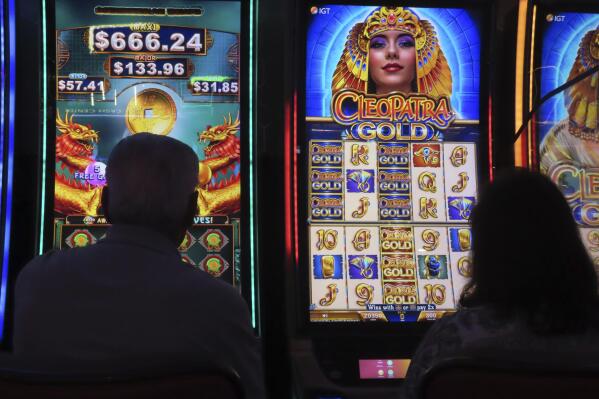
In today’s society, gambling serves as a popular form of entertainment that appeals to a diverse audience. Whether through traditional casinos, online platforms, or sports betting, people engage in gambling for excitement, social interaction, and the thrill of uncertainty. This experience often transcends mere monetary stakes, becoming a shared activity among friends and family. Many people associate visiting a casino with celebration, further embedding gambling into social traditions.
Furthermore, the rise of online gambling platforms has expanded access and diversified the gambling experience. Individuals can now enjoy various games from the comfort of their homes, making it more inclusive. This shift has also created new communities and social networks, where players share tips, strategies, and experiences. Such online interactions enhance the entertainment aspect, as users create bonds and form friendships that might not occur in traditional settings.
Moreover, the proliferation of gambling-themed entertainment in media, such as movies and television shows, has cemented its cultural significance. Films like “Casino Royale” and series such as “Breaking Bad” explore the intricate relationship between gambling and personal narratives, portraying the risks and rewards involved. These representations not only entertain but also provoke discussions around morality, addiction, and societal norms, highlighting gambling’s complex role in modern culture.
The gambling industry significantly contributes to the economy, providing job opportunities and generating substantial tax revenues. In regions where gambling is legalized, casinos and betting establishments create thousands of jobs, from hospitality to gaming management. This economic activity supports local businesses and stimulates tourism, leading to increased spending in various sectors such as hospitality, dining, and entertainment.
Tax revenues from gambling operations can also fund crucial public services, including education, healthcare, and infrastructure. Many governments allocate a portion of these funds to address gambling addiction and promote responsible gambling initiatives. Such measures aim to balance the economic benefits with the social responsibilities that come with promoting gambling, ensuring that its expansion does not negatively impact vulnerable communities.
However, the economic implications of gambling are not without controversy. Critics argue that the industry can perpetuate inequality and contribute to social issues, such as gambling addiction. While it can stimulate economic growth, the adverse effects on individuals and families can lead to increased healthcare costs and social support needs. Thus, it remains essential for policymakers to consider both the potential economic benefits and the societal costs associated with gambling.
Gambling often reflects broader social dynamics, serving as a mirror to societal values and attitudes. It can reveal cultural beliefs about luck, risk, and reward, as well as highlight the disparities between different socioeconomic groups. For some, gambling represents a chance to escape daily struggles, offering a temporary thrill that contrasts with the mundane aspects of life. This desire for escapism can attract various demographics, from the affluent seeking high-stakes excitement to those hoping for a life-changing win.
Conversely, the social implications of gambling can lead to detrimental effects, particularly among those who develop gambling disorders. The normalization of gambling in modern society may desensitize individuals to its risks, contributing to addiction and financial distress. Education and awareness campaigns are crucial to mitigating these effects, ensuring that individuals understand the potential consequences of gambling, fostering a more responsible and informed approach to this popular pastime.
Additionally, gambling influences social interactions and community structures. Casinos often host events that foster social cohesion, bringing people together for entertainment. However, the prevalence of gambling in society may also lead to stigmatization of those struggling with addiction, creating a divide between gamblers and non-gamblers. Understanding these complex social dynamics is essential for fostering a responsible gambling culture that emphasizes support and awareness.
The rise of responsible gambling initiatives signifies a growing awareness of the potential risks associated with gambling. Many operators are now implementing measures to promote safe gambling practices, including self-exclusion programs, betting limits, and educational resources. These efforts aim to mitigate the adverse effects of gambling, fostering an environment where individuals can enjoy the activity without falling into harmful patterns.
As technology continues to evolve, the future of gambling is likely to see further innovations, such as virtual and augmented reality experiences. These advancements may enhance the immersive qualities of gambling, attracting younger audiences while also posing new challenges regarding regulation and responsible gaming. The integration of artificial intelligence into gambling platforms can further personalize the user experience, tailoring recommendations and ensuring adherence to responsible gambling practices.
Moreover, the potential legalization of gambling in previously restricted regions may change the landscape further. As societal attitudes towards gambling continue to shift, the industry may expand into new markets, presenting both opportunities and challenges. Emphasizing education, regulation, and community support will be vital as gambling becomes an ever-more prominent aspect of modern society.
In conclusion, the cultural significance of gambling in modern society is multifaceted, encompassing historical, economic, social, and entertainment dimensions. While it offers opportunities for social interaction and economic growth, it also poses risks that necessitate responsible practices and community support. As we navigate the complexities of this activity, understanding its cultural implications will be crucial for fostering a balanced and informed approach to gambling in the future.
For those interested in exploring the world of gambling, our website provides resources and insights into various aspects of the industry. From understanding the latest trends to responsible gambling practices, we aim to educate and inform readers, ensuring they make the most of their gambling experiences while remaining aware of its potential impacts. Join us in this journey to explore and appreciate the rich tapestry of gambling’s role in society today.